Chanel: Pros and Cons of the Luxury Fashion Brand
When it comes to the world of high fashion, few names command as much reverence and recognition as Chanel. Founded by Coco Chanel in 1910 in Paris, the brand has transcended mere fashion to become a symbol of elegance, sophistication, and timeless style. Over the decades, Chanel has evolved from a modest atelier to a global powerhouse, influencing not only the way people dress but also the cultural landscape of the 20th and 21st centuries. However, with its immense fame and status as a luxury brand, Chanel is not without its controversies and challenges. This article explores the pros and cons of Chanel, shedding light on why it remains an iconic name in the fashion industry.
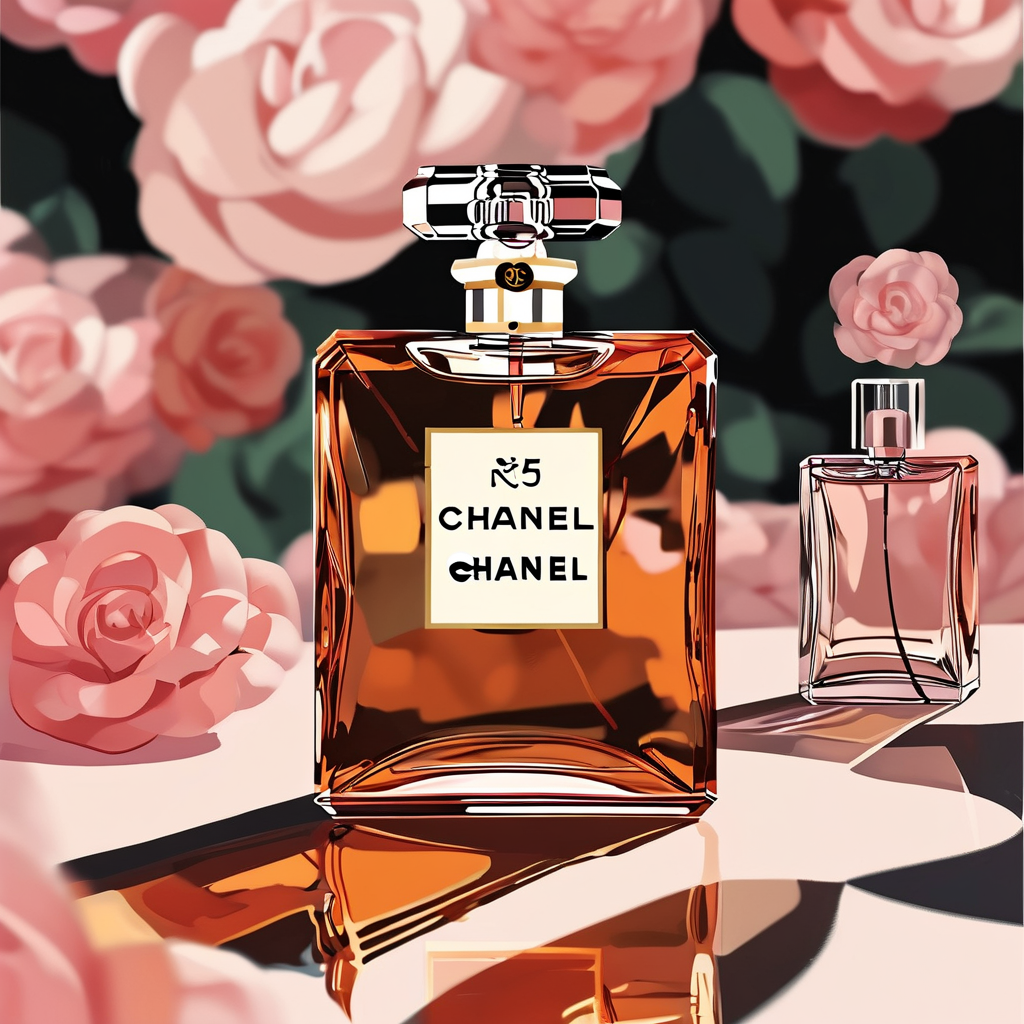
One of the most significant advantages of Chanel is its unparalleled legacy and brand identity. The brand is synonymous with French luxury, and its designs carry a sense of history and refinement that few others can match. From the little black dress to the iconic tweed suit and the timeless Chanel flap bag, the brand has consistently produced pieces that are both functional and fashionable. These items have become cultural touchstones, often associated with empowerment, femininity, and sophistication. The brand’s commitment to innovation, such as the introduction of the Chanel No. 5 fragrance and the use of costume jewelry, has also set it apart from its contemporaries. Chanel’s ability to blend avantgarde ideas with classic aesthetics has made it a favorite among celebrities, fashion icons, and discerning customers.
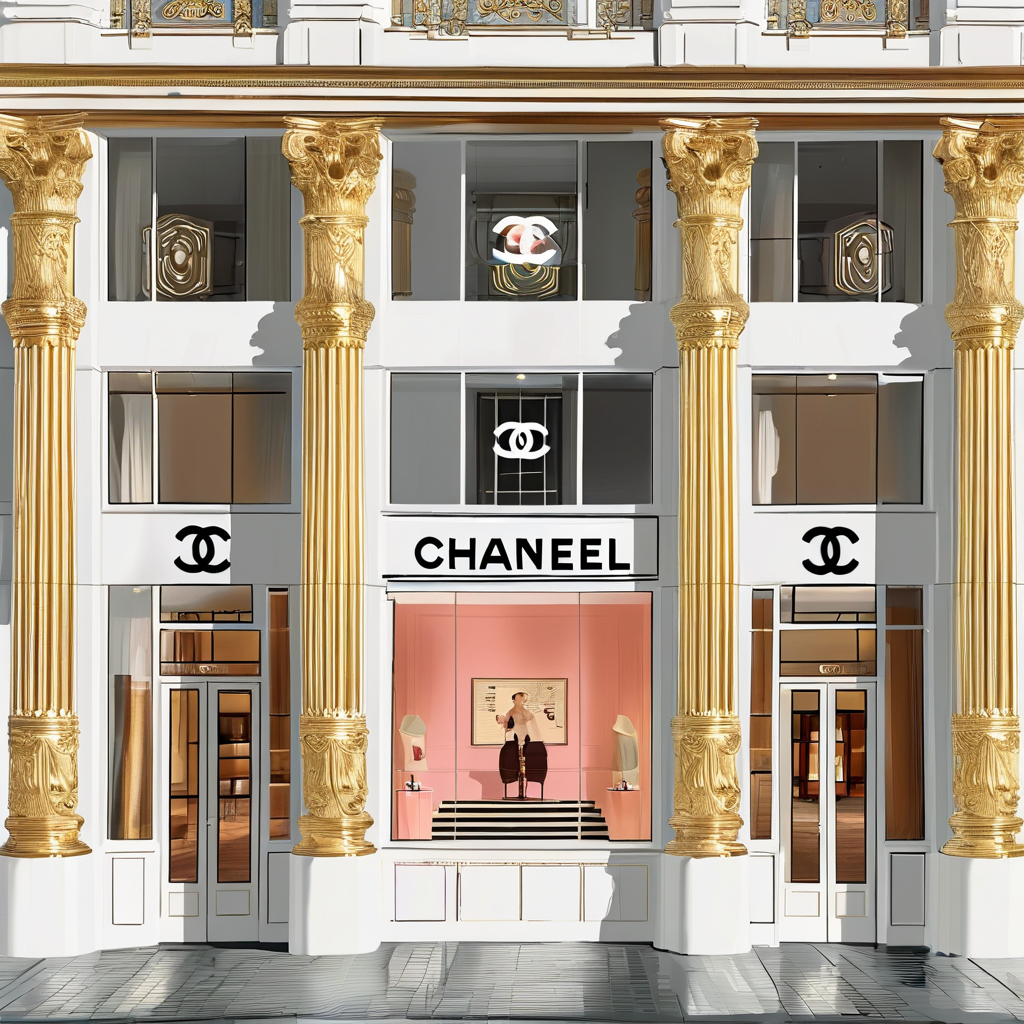
Another major pro of Chanel is its exclusivity and craftsmanship. Each piece is meticulously crafted, often by hand, using the finest materials available. This dedication to quality ensures that Chanel products are not only visually stunning but also built to last. The brand’s ateliers, like the famous Chanel No. 5 factory in Paris, are known for their precision and attention to detail, which contribute to the high price tags. For many, owning a Chanel item is not just about fashion but about investing in a piece of art that represents a certain era and aesthetic.
However, the same exclusivity that makes Chanel so desirable can also be a drawback. The brand’s limited availability and high cost make it inaccessible to a large portion of the population. While this exclusivity is part of the allure of luxury fashion, it can also create a sense of elitism and detachment from the general consumer. Additionally, the brand has faced criticism for its pricing strategies and the perception that it is more about status than necessity. Some argue that Chanel’s focus on preserving its legacy has led to a lack of innovation in certain areas, making its collections appear somewhat formulaic compared to more contemporary designers.
Chanel has also been embroiled in controversies over the years, particularly regarding its labor practices and environmental impact. The brand has been scrutinized for its treatment of workers in its supply chain, including allegations of poor working conditions and low wages in some of its manufacturing facilities. In response, Chanel has taken steps to improve transparency and ethical standards, but these issues continue to be a point of concern for critics and consumers alike. Moreover, the environmental footprint of producing luxury items, especially those made from leather, silk, and other natural materials, raises questions about sustainability in the fashion industry.
On the other hand, Chanel’s global influence and brand recognition are undeniable pros. It has a vast and loyal customer base, with a presence in nearly every major city around the world. The brand’s ability to maintain its prestige across generations is a testament to its enduring appeal. Chanel’s marketing strategies, often involving highprofile collaborations and celebrity endorsements, further solidify its position in the luxury market. The brand’s advertising campaigns, known for their elegance and storytelling, have helped to shape public perception and reinforce its image as a leader in fashion.
In conclusion, Chanel is a brand that embodies both the pinnacle of luxury fashion and the complexities that come with it. Its strengths lie in its rich history, exceptional craftsmanship, and global influence, which have made it a household name. However, its high cost, exclusivity, and environmental concerns present challenges that cannot be ignored. As the fashion industry continues to evolve, Chanel must balance its storied past with the demands of the present, ensuring that it remains relevant and responsible in the eyes of a new generation of consumers.